
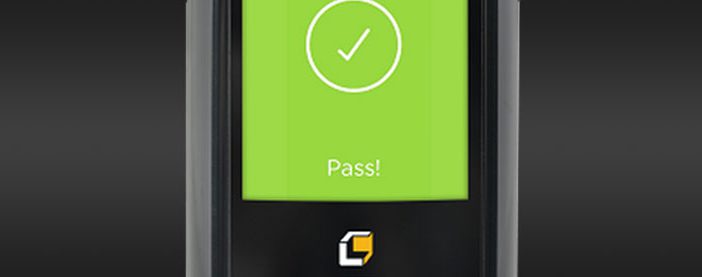
The active enforcement of DUI laws has played an important role in discouraging drunk driving and reducing the injuries, deaths, and property damage caused by alcohol-related incidents. Being arrested and convicted of a DUI often leads to a wide range of penalties that usually involve license suspension, fines, legal fees, and community service. Many states have begun adopting the use of ignition interlock devices, even for first-time DUI offenses. Let’s take a closer look at ignition interlock devices and how they actually work.
Understanding Ignition Interlock Device Requirements
Before diving into how these devices work, it’s important to understand when they’re required. Ignition interlock devices are typically mandated in the following situations:
- First-time DUI offenses: Many states now require IIDs even for first-time offenders
- High BAC violations: Drivers with BAC levels of 0.15% or higher often face mandatory IID installation
- Repeat DUI offenses: Second and subsequent DUI convictions almost always require IID installation
- License reinstatement: Some states require IIDs as a condition of license reinstatement after suspension
- Plea agreements: IID installation may be part of a plea bargain to reduce other penalties
What is an Ignition Interlock Device?
Ignition interlock devices, sometimes simply referred to as a car breathalyzer, connects directly to your car’s ignition system. It comprises two main parts: the device that connects to your car and a mouthpiece that connects to the main device. When you blow into the mouthpiece, the device measures your blood alcohol concentration. If the BAC is higher than the programmed BAC limit, the device will lock your engine and keep you from starting your car for a certain period of time.
Key Components of an Ignition Interlock Device
Modern ignition interlock devices consist of several important components:
- Main control unit: The central processing unit that analyzes breath samples and controls vehicle operation
- Breath tube and mouthpiece: Where the driver provides breath samples for analysis
- Wiring harness: Connects the device to the vehicle’s ignition system
- Camera (optional): Some devices include cameras to verify the identity of the person providing the breath sample
- GPS module: Tracks vehicle location and movement for monitoring purposes
- Data logger: Records all tests, violations, and device interactions for court reporting
Even after the engine has started, the ignition interlock device will periodically ask you for a breath sample, known as a rolling retest. Rolling retests are designed to prevent you from starting the car with someone else’s breath sample.
If you do not provide another breath sample or the breath sample exceeds the programmed limit, the device will warn the driver, log the event, and start an alarm that can only be stopped by providing a clean breath sample or stopping the ignition. Contrary to popular belief, ignition interlock devices do not have an automatic engine shut off feature, which would be dangerous to you and other drivers.
Rolling Retest Requirements
Rolling retests are a critical safety feature of ignition interlock devices:
- Timing: Tests are typically required every 5-30 minutes while driving, depending on state requirements
- Warning period: The device provides advance warning (usually 5-6 minutes) before requiring a test
- Safe testing: Drivers should pull over safely before providing a breath sample
- Consequences of failure: Failing a rolling retest triggers alarms and is recorded as a violation
- Emergency situations: Most devices have provisions for emergency situations where immediate testing isn’t possible
How Does an Ignition Interlock Device Work?
To know how a breathalyzer works in a car, you first have to understand alveolar air. Alcohol isn’t immediately digested into your body or converted into different chemicals as it enters your bloodstream. As the blood moves throughout your lungs, some of the alcohol in your system moves across its air sacs, known as alveoli, causing small amounts of alcohol vapor to get stored there.
The concentration of alcohol in the alveolar air is actually relative to how much alcohol is in your system, meaning a person can measure their blood alcohol concentration with their breath given the right tools. In fact, the ratio of breath alcohol to blood alcohol is roughly 2,100 to 1, meaning that 2,100 milliliters of alcohol in alveolar air is equivalent to one milliliter of alcohol in your blood.
Fuel Cell Technology Explained
Most modern ignition interlock devices use advanced fuel cell technology for accurate alcohol detection:
How Fuel Cells Work
- Electrochemical reaction: Alcohol molecules react with platinum electrodes in an acid solution
- Electron generation: The reaction produces electrons proportional to alcohol concentration
- Current measurement: The device measures electrical current to determine BAC level
- Specificity: Fuel cells are highly specific to ethanol, reducing false positives from other substances
Advantages of Fuel Cell Technology
- Accuracy: Provides precise BAC measurements within legal standards
- Reliability: Consistent performance over extended periods
- Selectivity: Responds specifically to alcohol, not other breath components
- Durability: Long-lasting technology suitable for daily use
Most modern ignition interlock devices use an ethanol fuel cell sensor to detect breath alcohol. The fuel cell comprises an acid-electrolyte material sandwiched between two platinum electrodes. When you breathe into the device, the platinum electrodes oxidize any alcohol in the air and produces protons, electrons, and acetic acid. The electrons flow through a wire that connects the two platinum electrodes, while the protons combine with oxygen and the electrons to form water. The more alcohol that gets oxidized, the greater the electrical current. Microprocessors measure the electrical current and calculate it into your blood alcohol concentration.
Installation and Calibration Process
Professional Installation Requirements Ignition interlock devices must be installed by certified technicians:
- Authorized providers: Only state-approved vendors can install IIDs
- Vehicle compatibility: Technicians ensure the device works with your specific vehicle
- Wiring integration: Professional installation prevents damage to vehicle electrical systems
- Initial calibration: Devices are calibrated to ensure accurate readings from day one
- User training: Installation includes comprehensive training on proper device use
Regular Calibration Schedule
Maintaining accuracy requires regular calibration:
- Frequency: Typically every 30, 60, or 90 days depending on state requirements
- Calibration process: Uses certified alcohol solutions to verify device accuracy
- Data download: Calibration appointments include downloading violation and usage data
- Device maintenance: Technicians inspect and maintain device components
- Compliance reporting: Calibration data is reported to monitoring authorities
The device also keeps a log of your breaths that can then be downloaded or printed out every calibration (usually on 30-, 60-, and 90-day intervals). The courts may ask to see the logs periodically to make sure you are staying clean. Any violations may lead to additional penalties or sanctions.
Beyond that, calibrations are a good way to keep your ignition interlock device in good working order to ensure accurate readings with every breath. Calibrations are often performed using an alcohol wet bath containing a known alcohol solution or a pressurized alcohol-gas mixture with a known alcohol concentration.

Common Violations and Consequences
Understanding what constitutes a violation can help you avoid additional penalties:
Types of Violations
- Failed startup test: BAC above the preset limit when attempting to start the vehicle
- Failed rolling retest: BAC above limit during a required retest while driving
- Missed rolling retest: Failing to provide a breath sample when requested
- Tampering attempts: Any attempt to circumvent or disable the device
- Missed calibration: Failing to appear for required calibration appointments
Consequences of Violations
- Extended IID period: Violations often result in additional months of required device use
- License suspension: Serious violations can lead to license re-suspension
- Court appearances: Some violations require appearing before a judge
- Additional penalties: Fines, community service, or other sanctions may be imposed
- Program restart: Multiple violations may require restarting the entire IID program
Factors That Can Affect IID Readings
Several factors can potentially affect ignition interlock device readings:
Legitimate Factors
- Mouth alcohol: Recent use of mouthwash, breath spray, or alcohol-containing medications
- Food items: Certain foods containing alcohol (vanilla extract, fermented items)
- Medical conditions: Diabetes, GERD, or other conditions affecting breath composition
- Environmental factors: Extreme temperatures or humidity levels
Prevention Strategies
- Wait periods: Wait 15-20 minutes after eating, drinking, or using oral products
- Proper technique: Follow proper breathing techniques as trained during installation
- Regular maintenance: Keep the device clean and attend all calibration appointments
- Medical documentation: Inform your provider of any medical conditions that might affect readings
State-Specific Requirements
Ignition interlock requirements vary significantly by state:
Program Duration
- Minimum periods: Range from 6 months to several years depending on offense and state
- Violation extensions: Additional time added for violations or non-compliance
- Early removal: Some states allow early removal for perfect compliance records
BAC Limits
- Standard limit: Most states set the limit at 0.02% BAC
- Zero tolerance: Some states require 0.00% BAC for certain offenders
- Warn levels: Many devices provide warnings at lower BAC levels before lockout
Monitoring Requirements
- Data reporting: Frequency and method of data transmission to authorities
- Camera requirements: Some states mandate camera-equipped devices
- GPS tracking: Location monitoring requirements vary by jurisdiction
Low Cost Interlock’s Ignition Interlock Devices
Low Cost Interlock uses the latest in IID technology to provide the most efficient, easy to use devices on the market. Where normal IIDs require complicated breathing patterns that use combinations of blowing, humming, and inhaling, our devices require a simple 3-second exhale to get an accurate reading. Our IID is also the most sanitary device, ensuring your health and maintaining accurate results.
For more information about DUI consequences and legal requirements, learn about what is a DUI and understand the 5 dangers of drinking and driving to see why ignition interlock devices are such an important safety tool.
Low Cost Interlock serves drivers in 30 states, with comprehensive coverage in California and Kansas. Find a certified installation location near you and experience our commitment to quality and affordability.
Frequently Asked Questions About Ignition Interlock Devices
How long does breathalyzer detect alcohol?
Ignition interlock devices can detect alcohol in your breath for as long as alcohol remains in your system, typically 1-2 hours per standard drink consumed.
Can someone else start my car with an ignition interlock device?
While technically possible, this would constitute a violation. Many modern devices include cameras to verify the identity of the person providing the breath sample.
What happens if my ignition interlock device malfunctions?
Contact your service provider immediately. Most providers offer 24/7 emergency support for device malfunctions.
Can I drive someone else’s car with an ignition interlock requirement?
This depends on your state’s laws. Some states require IIDs on all vehicles you operate, while others allow exemptions for employer vehicles.
How much do ignition interlock devices cost?
Costs typically include installation fees ($75-$150), monthly monitoring fees ($60-$90), and removal fees ($50-$100).
Can weather affect my ignition interlock device?
Extreme temperatures can affect device performance. Most modern devices are designed to operate in normal weather conditions.
What should I do if I fail a test but haven’t been drinking?
Document the circumstances and contact your service provider. They can help determine if there was a legitimate cause for the reading.
Can I get my ignition interlock device removed early?
Some states allow early removal for perfect compliance, but this varies by jurisdiction and offense type.